
How Are Defect-Free Precision Castings Made? The Advanced Casting Process Guide (2026)
Why do some castings arrive with porosity, deformation, or dimensional errors — while others pass assembly and pressure tests the first time? The answer is the casting process itself. In this 2026 guide, a Ningbo precision casting manufacturer explains how advanced technologies produce complex, thin-wall, high-tightness castings with predictable quality.
What Is Advanced Precision Casting?
Focusing on high-end precision casting, HUABO Machinery adheres to the development philosophy of "Craftsmanship as the foundation, innovation as the core, and quality as the essence". Abandoning traditional extensive production modes, we adopt intelligent, precise, and eco-friendly advanced casting technologies to provide high-quality castings and customized solutions for diverse industries — promoting the high-quality upgrading of the equipment manufacturing industry.
Why Traditional Casting Fails — and How R&D Solves It
Regarding process innovation as a core strategy, our professional R&D team integrates cutting-edge technologies including numerical simulation, AI process optimization, and intelligent temperature control. Benchmarking against top industrial standards, we continuously break through the technical bottlenecks of conventional casting.
With online molten metal inspection and full-process intelligent management, we effectively eliminate the three defects buyers fear most:
- Porosity — gas holes and shrinkage cavities that cause leaks and fatigue failures.
- Deformation — warping from uneven cooling and uncontrolled residual stress.
- Dimensional errors — parts that do not mate or machine to the drawing.
Controlling these factors optimizes casting performance and significantly improves material utilization and product yield — which means less scrap, more stable delivery, and lower unit cost for buyers.
High-Pressure, Low-Pressure, or Investment Casting — How to Choose?
HUABO is proficient in three mainstream precision casting technologies. The process is selected by part geometry, material, sealing requirement, and volume — never forced into a single technology:
- High-pressure die casting — molten alloy injected into a steel die at high speed and pressure; best for complex, ultra-thin-wall aluminum parts with smooth surfaces at high volume, such as aluminum die-cast components and die-cast pump housings.
- Low-pressure casting — mold filled gently from below under low pressure; produces dense, high-tightness castings ideal for pump and valve bodies that must hold pressure.
- Investment casting (lost wax) — wax patterns coated in ceramic allow complex, irregular shapes in stainless and special alloys without expensive dies, such as stainless steel investment castings and investment casting blanks.
You can browse all process options on our precision casting product category, and compare casting with precision forging for high-strength components when strength, rather than shape complexity, is the main requirement.
How Does the Advanced Casting Process Work? 8 Controlled Steps
This is the production chain behind every HUABO premium casting. The overall factory workflow is also shown on our manufacturing process page.
- Part design review & castability analysis — wall thickness, draft angles, fillets, and feeding paths are checked; DFM suggestions are proposed for complex and thin-wall geometries.
- Numerical solidification simulation — filling and cooling are simulated on computer to predict hot spots, shrinkage, and porosity before tooling is made.
- Mold / pattern tooling — precision die-casting dies or investment-casting wax patterns are produced and inspected.
- AI-optimized melting & intelligent temperature control — the system sets pouring temperature, holding time, and cooling curves to match the alloy and part.
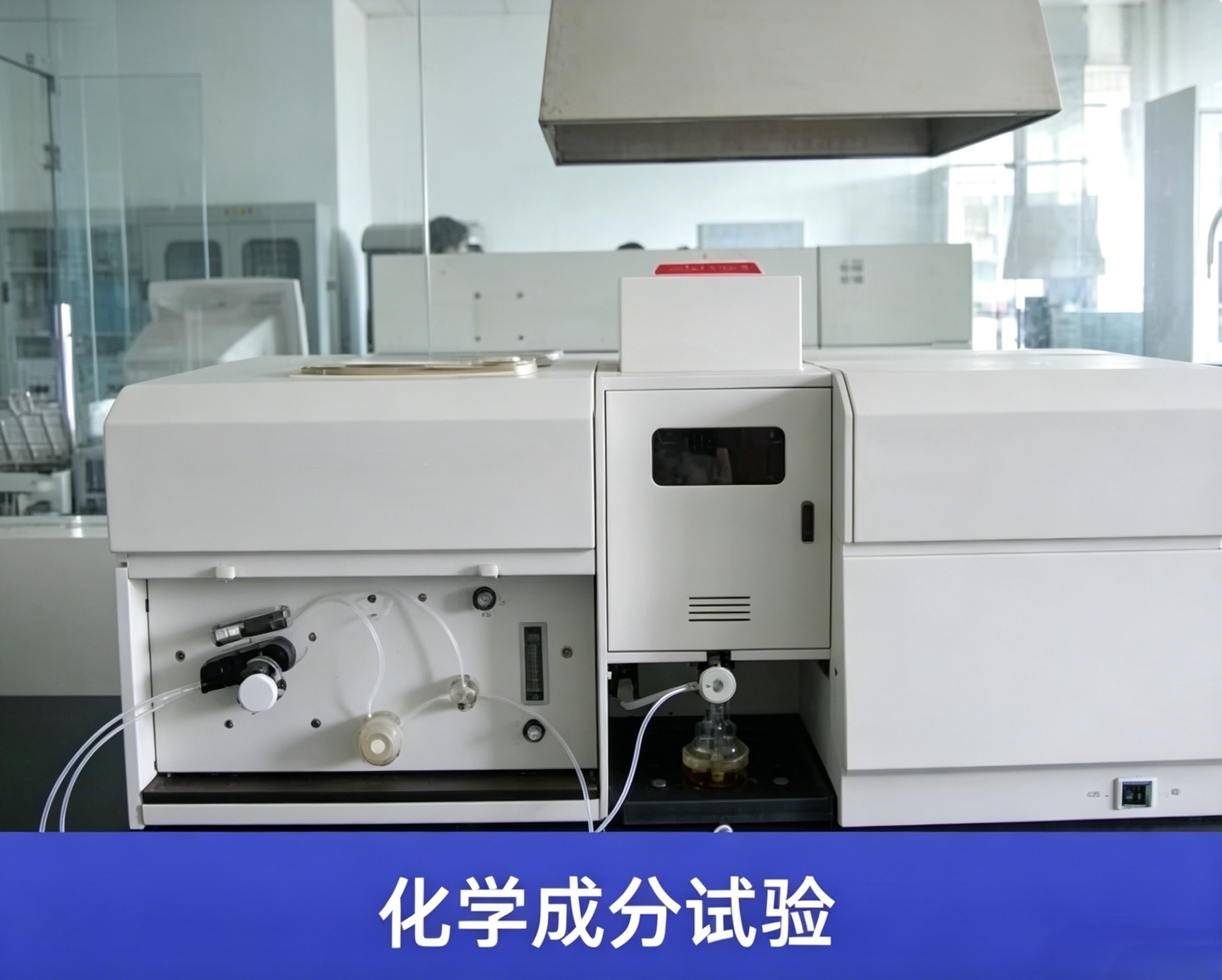
- Online molten metal inspection — spectral analysis verifies chemical composition heat by heat, with full traceability.
- Casting — high-pressure, low-pressure, or investment casting is executed under the simulated parameters.
- Shakeout, trimming & heat treatment — gates and risers are removed; solution/aging or other treatment is applied when properties require it.
- Full-process quality control — visual inspection, X-ray/sample porosity checks, pressure-tightness testing where specified, and CMM dimensional verification before CNC finishing or shipment.
Materials and Typical Components
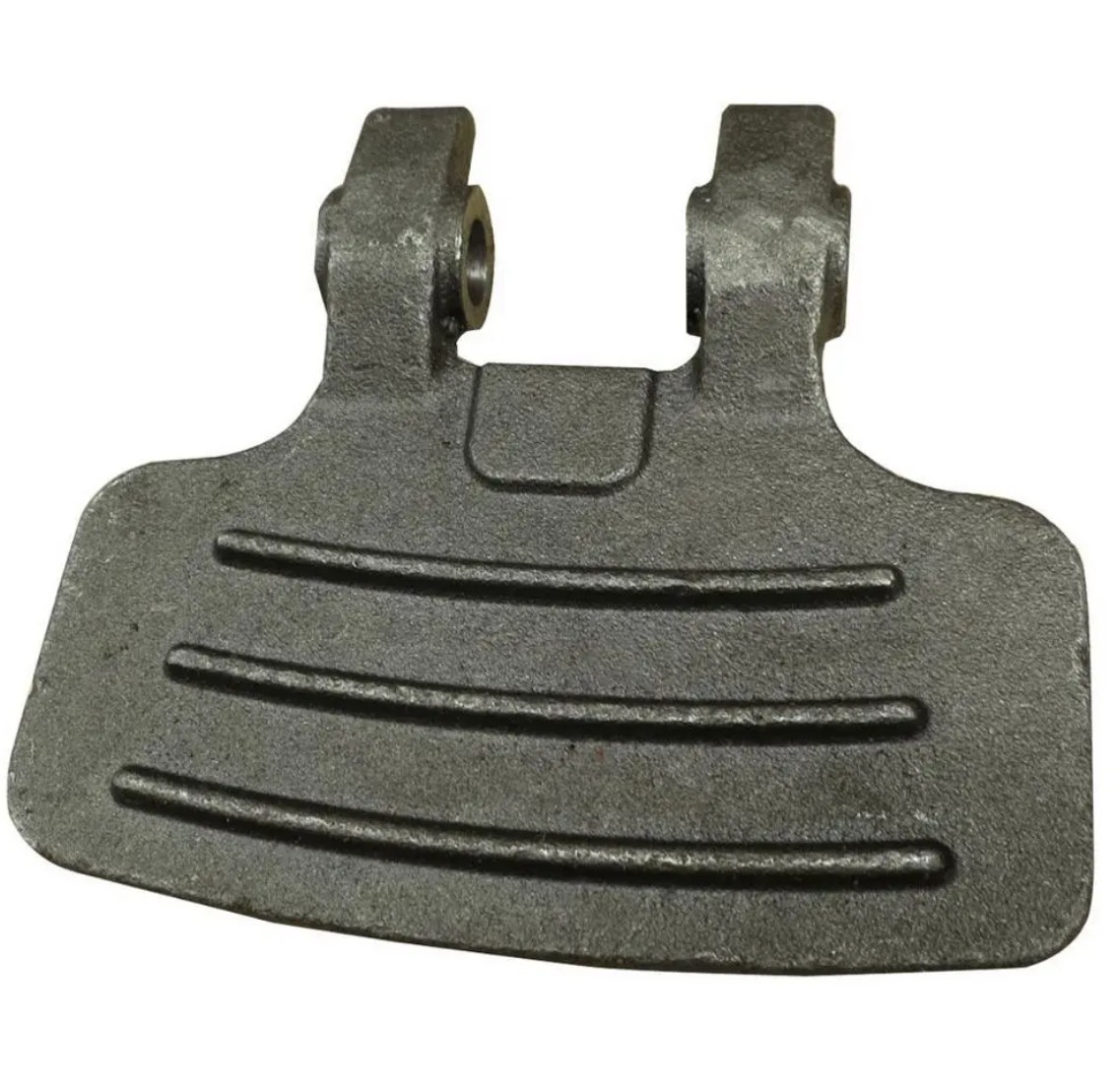
We process aluminum alloys, special alloys, and other materials for the mass production of complex, irregular, ultra-thin-wall, and high-tightness premium castings. Typical parts include housings, pump and valve bodies, brackets, pedals, and structural components.
Where Are Premium Castings Applied?
- New energy — lightweight aluminum housings and structural castings.
- Automotive — thin-wall, leak-tight components for cars and trucks.
- Marine — corrosion-resistant, pressure-tight castings.
- Aerospace — complex special-alloy castings for demanding environments.
- Engineering machinery — high-strength structural and machinery castings, such as our cast machinery parts.
How to Choose a Precision Casting Foundry in China (2026 Checklist)
- R&D before tooling — simulation and DFM feedback should come before you pay for a die.
- Multiple processes in-house — high-pressure, low-pressure, and investment casting, so the process fits the part instead of the reverse.
- Verifiable molten metal control — online spectral inspection, material certificates, heat-by-heat traceability.
- Defect evidence — X-ray/sample porosity reports and pressure-tightness test records for sealing parts.
- Complete support — casting + CNC finishing + surface treatment under one roof, with OEM/ODM export experience.
Supported by a complete quality control and process iteration system, HUABO persists in technological innovation and strives to become a leading benchmark for intelligent precision casting in China. Send your drawings for a factory-direct quote within 24 hours.
Frequently Asked Questions
What is advanced precision casting?
Advanced precision casting is an intelligent, precise, and eco-friendly approach to producing metal components by pouring controlled molten alloy into precision molds. At HUABO it integrates numerical solidification simulation, AI process optimization, intelligent temperature control, and online molten metal inspection to eliminate common defects such as porosity, deformation, and dimensional errors.
What is the difference between high-pressure die casting, low-pressure casting, and investment casting?
High-pressure die casting injects molten metal into a steel die at high speed and pressure, ideal for thin-wall, high-volume aluminum parts with smooth surfaces. Low-pressure casting fills the mold gently from below under low pressure, producing dense, leak-tight castings such as pump and valve bodies. Investment (lost-wax) casting builds parts from wax patterns coated in ceramic, enabling very complex shapes in stainless and special alloys without expensive dies.
How do you prevent porosity in castings?
Porosity is prevented by controlling the whole process: numerical simulation predicts hot spots and feeding paths, AI optimization sets pouring and cooling parameters, online molten metal inspection controls gas and inclusions, and the right casting technology (such as low-pressure casting for high-tightness parts) is matched to the geometry. Castings then pass visual and X-ray/sample porosity checks.
Which materials can be cast?
HUABO casts aluminum alloys, special alloys, and other materials, selecting the alloy and process according to the part's strength, weight, corrosion-resistance, and sealing requirements. Casting technology is matched to material and geometry rather than using a single process for every part.
What kinds of parts are suitable for precision casting?
Precision casting is ideal for complex, irregular, ultra-thin-wall, and high-tightness premium castings that would be expensive or impossible to machine from solid stock — such as housings, pump and valve bodies, brackets, and structural components used in new energy, automotive, marine, aerospace, and engineering machinery.
How do I choose a precision casting foundry in China?
Look for: (1) process R&D capability with simulation and DFM support; (2) multiple casting technologies in-house (high-pressure, low-pressure, investment) so the process fits your part; (3) online molten metal inspection with material certificates and heat traceability; (4) defect control with X-ray and pressure-tightness testing; (5) OEM/ODM export experience. HUABO Machinery is an ISO 9001 certified Ningbo source factory casting for new energy, automotive, marine, aerospace, and engineering machinery buyers.
Looking for a reliable precision casting manufacturer in China? Contact HUABO Machinery with your drawings and requirements — source-factory pricing, casting-to-CNC one-stop support, and OEM/ODM solutions for premium castings.